
I’m not exaggerating when I say that the next 3 months may be the most important months of our lives. They may determine once and for all if we will contain the climate crisis or if we let it roar onward. 3 months from today, we’ll know if the COP26 climate conference was a success. But in order for that to happen, we must take care of business here at home.

Right now is crunch time for climate action in the United States. Democrats control the House, Senate, and White House for the first time since 2011. Based on historical patterns, the Republicans are likely to capture one or both houses of Congress next year, and most of 2022 will be focused on re-election campaigns rather than legislation. At this moment, there is a concerted push by President Biden to pass both his Bipartisan Infrastructure Plan, and his partisan reconciliation bill. Republicans continue to show zero interest in combatting the climate crisis, and I don’t think that’s going to change anytime soon. So our best hope for action lies in these two parallel pieces of legislation.
The BIP, while not directly related to climate, does have a number of climate-friendly features, including the largest federal investment in Amtrak and mass transit in history, billions for the electrical grid and electric vehicle charging, along with money to modernize infrastructure in the face of extreme weather.
The reconciliation package is where the meat of President Biden’s climate agenda is, and it would represent by far the largest federal investment in climate action in US history. It sets a goal that the power sector will be 80% “clean” (meaning solar, wind, hydro, and nuclear at the least) electricity and the economy see a 50% reduction in carbon emissions by 2030. Some of the highlights include:
- Direct payments to utilities that are moving away from fossil fuels, and penalties for those moving too slowly.
- A Clean Energy Technology Accelerator designed to advance needed low-carbon technologies.
- Extension of clean energy tax credits
- Decarbonize the federal building portfolio and vehicle fleet
- Money for using agriculture and forestry to sequester carbon
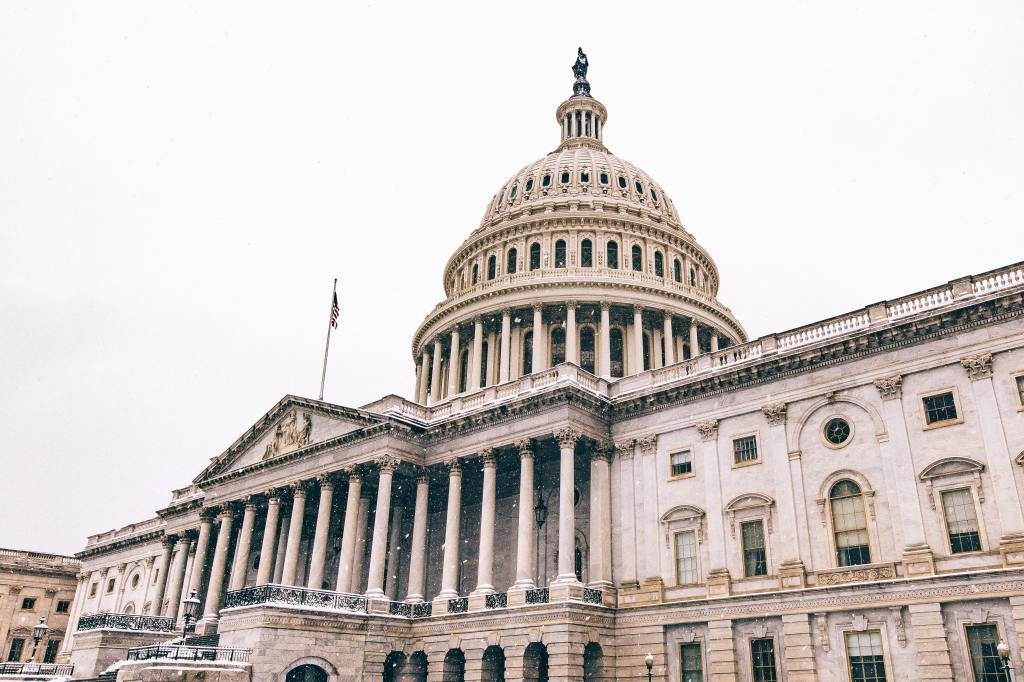
The policy of direct payments to utilities is the centerpiece. Under the reconciliation rules, Congress cannot pass a “clean electricity standard” which would mandate that a certain percentage of our power come from clean electricity. The next best thing is this series of payments and penalties to utilities, which is what the Biden admin is proposing.
Simply put, the BIP and the reconciliation bill dwarf any previous federal action on climate, and if the president can get them passed this year, and if he wins reelection in 2024, he would have 7 years in which to implement the spending. Scientists say we need to cut our greenhouse gas emissions 50% by 2030, so President Biden has a chance to put us on course for that.
If he’s successful, it will set a number of industries on near-irreversible paths towards a low carbon future. If car companies spend the next 7 years investing and marketing EVs, it’s unlikely they will switch back to internal combustion engines. If every coal plant in America goes out of business, then it’s unlikely anyone will build new coal plans (at least here). I write a lot about “tipping points”, usually as a warning, but there are also positive tipping points. Decarbonizing the entire economy is slow and plodding, a bit like turning a supertanker, but once we start making the turn, our momentum will make it hard to stop.
Of course, there is always the possibility that the reconciliation bill will lose its climate provisions. This would be a catastrophe. We simply cannot allow that to happen.
The other part of the equation is the COP26 in Glasgow, (“COP” stands for “Conference of Partners”, it isn’t a very good name). You may remember the “Paris Climate Agreement” from 2015. That was a product of COP21 in Paris. COP26 is the first such conference since President Trump, a noted climate denier, left office. The US essentially abandoned climate policy during the Trump years, and the rest of the world moved on.
But things aren’t moving fast enough. America’s absence has been a problem and much of the world no longer takes us seriously as a global leader. If the Biden Administration wishes to be taken seriously at COP26, then he will need to pass major climate legislation before then. A failure to pass such legislation, particularly during a year where the climate crisis has beaten us over the head since February, would be a devastating blow to US credibility.
Robust climate legislation will increase our chances of a strong COP26 summit, but an embarrassing US failure to legislate would likely doom the whole endeavor to irrelevance.
And this opportunity may not come again. If the GOP wins the midterms next year, they may hold on to one or both houses of Congress for several cycles (after winning the House in 2010, they held on to at least one house of Congress for 10 years until the 2020 election). I’ve learned through much bitterness to never overestimate the average voter. I have very little hope voters will punish the GOP for its idiotic anti-climate shenanigans. 10 more years of business as usual would quite literally exhaust our carbon budget. Of course, it’s never too late to do something but the goal here is to minimize the damage.
If President Biden can get these packages passed without too much compromise on climate, then I will rest easy for the time being, knowing we’re finally on the right path. If he fails, I’ll buy myself an expensive bottle of whiskey and toast to what could have been.
I have been pleasantly surprised by President Biden’s commitment to climate action, and I think he deserves the benefit of the doubt for now. Even if he is successful, there will still be an enormous amount of work to do, but at least we’ll have a fighting chance.

 The Mangrove