
Ecological restoration is a critical aspect of climate mitigation. Ecological destruction, habitat loss, and biodiversity decline are all intimately linked with climate change. As the planet warms, the higher temperatures are exacerbating ecological degradation, and as we destroy ecosystems, we are often turning natural carbon sinks into new carbon sources. The restoration of natural ecosystems like kelp forests, grasslands, jungles, bogs, and of course mangroves, can remove carbon from the atmosphere and store it (what we refer to as a carbon sink).

Restoring ecosystems also helps us adapt to the extreme weather patterns. Many ecosystems provide protection from extreme weather (this is something called an “ecosystem service”). For example, oyster reefs provide protection against storm surges, which is one reason why New York City is trying to build a one billion oyster reef in New York Harbor by 2035 (which would still be only 1/3 as large as it was 200 years ago). Xeriscaping, or landscaping meant to mimic the desert environment, uses less water than a typical lawn, which makes desert cities more resilient against droughts. This is why Las Vegas plans to reduce the amount of grass citywide by 40%. There are countless other examples.
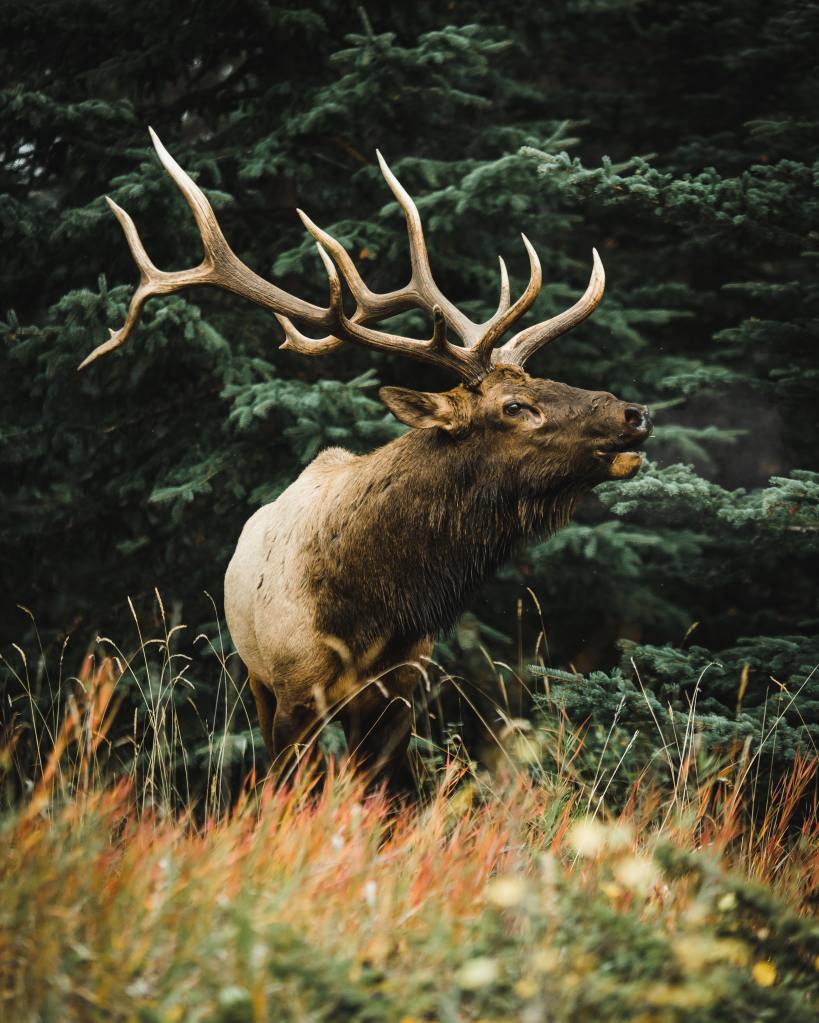
What exactly would restoration look like in your community? Well, it depends on the location. Perhaps it means planting native trees or removing impervious surfaces and replacing them with vegetation. Maybe it means removing a damn from a river to allow for a natural flow or cutting down on pollution coming from construction or agriculture. Maybe it means reintroducing large herbivores or carnivores onto a landscape, which is what several Appalachian states are doing with Elk. It could even mean the use of genetically engineering to restore endangered species, which is what some scientists hope to do with the American Chestnut in the Eastern US.
No matter where you live, there are probably groups who are working on projects like these right in your community. These groups are always looking for volunteers, and even small amounts of money can go a long way. If you have a yard, you have the opportunity to transform some of your lawn into native habitat. Lawns are an ecological disaster. They provide no habitat, absorb very little runoff, and sequester no carbon. Planting bushes or trees, native flowers, or growing vegetables are all more beneficial to the environment than keeping a manicured, uniform lawn.
But we have to think bigger than this as well. Ecological systems are big, interconnected, and complex. Climate change is a global problem, and we must tackle ecological restoration on a global scale, particularly because many of the most important places, like Brazil, Congo, or Indonesia, are poor countries with ineffective governments, who lack the financial resources to address their problems. It is incumbent upon the wealth nations of the world to finance ecological restoration in developing nations, particularly because rich nations are driving the extraction of resources which causes the destruction in the first place.
Ecological restoration and climate mitigation are not exactly the same, but progress on one will mean progress on the other. As we restore ecosystems, they help us mitigate the effects of extreme weather, and they sequester carbon. As we reduce our carbon emissions, we slow the destruction of our environment. This is referred to as a “feedback loop”. This means we can address two problems at the same time. It also means, however, that if we ignore one, we make it harder to address the other. We can’t separate these two things into different problems, they are two interwoven.

 The Mangrove
It is true but will they restore ecologies in the first place?
LikeLike